
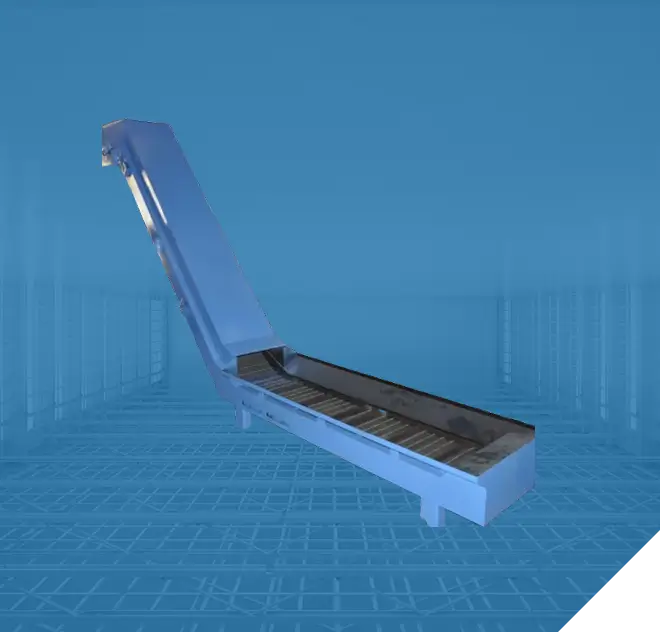
In high-volume CNC machining, managing metal waste is just as critical as the cutting process itself. A chip conveyor (or swarf conveyor) is an essential component of modern manufacturing, designed to automatically remove metal chips, shavings, and swarf from the machining area.
Integrating the right chip management system eliminates manual waste removal, recovers expensive cutting fluids, and drastically reduces machine downtime. This guide covers everything you need to know about chip conveyors, including the different types, their benefits, and how to select the best system for your facility.
A chip conveyor is an automated mechanical system attached to machine tools, such as CNC lathes, milling machines, and machining centers. As the machine cuts metal, it generates sharp, hot fragments known as chips or swarf. The conveyor continuously sweeps, drags, or carries these chips away from the cutting zone and deposits them into an external collection bin.
Beyond waste removal, modern chip conveyors separate metal waste from valuable coolant or cutting fluid. By recycling this fluid back into the machine tool, manufacturers can significantly reduce operational costs and maintain optimal cutting temperatures.
Not all chips are created equal. The material you are cutting and the shape of the resulting swarf dictate the type of conveyor you need.
The hinge belt conveyor is the most common and versatile type of chip management system. It uses a continuous, interlocked steel belt to carry chips up an incline and out of the machine.
Magnetic conveyors utilize powerful stationary magnets mounted beneath a stainless steel slider bed. As the magnetic chain moves underneath, it drags ferrous chips along the surface to the discharge point.
Scraper conveyors drag metal chips along the smooth bottom of the conveyor frame using specialized steel flights (paddles) attached to a moving chain.
An auger conveyor uses a rotating helical screw to push chips through a trough. These are often used as internal pre-conveyors that push chips out of a machine’s bed and feed them into a larger external hinge belt or scraper conveyor.
Upgrading or optimizing your machine tool chip conveyor provides immediate returns on investment across multiple areas of your operation:
Selecting the exact specifications for your facility depends entirely on the variables of your machining process. Use this quick reference matrix to match your application to the right technology.
| Material Type | Chip Shape | Recommended Conveyor |
|---|---|---|
| Steel / Alloys | Long, stringy, bushy | Hinge Belt |
| Cast Iron | Fine, powdery, broken | Magnetic or Scraper |
| Aluminum | Mixed (stringy & fine) | Hinge Belt w/ Filtration Drum |
| Brass / Non-ferrous | Short, fine, sand-like | Scraper |
Additional Considerations:
No single conveyor is perfect for everything. A hinge belt handling fine cast iron dust will experience premature wear as the grit gets into the moving joints. Conversely, a scraper conveyor will quickly jam if fed continuous, stringy steel chips. If you run mixed materials, a combination conveyor (a hinge belt built with an internal scraper and rotating filter drum) is usually the best compromise.
Modern chip conveyors are highly durable but do require regular preventative maintenance. Operators should visually inspect the belt and coolant screens daily. Weekly tasks include checking the chain tension and ensuring the motor is not drawing excess amps, which indicates a jam. Monthly, the bearings and drive chains should be inspected and lubricated.
Most industrial chip conveyors are equipped with a torque limiter or a current-monitoring VFD (Variable Frequency Drive). If a heavy bundle of chips or a dropped tool jams the belt, the system will automatically shut down and trigger an alarm before the motor burns out or the belt snaps.
Yes. By separating cutting fluids from the metal scrap, your chips are sent to the recycler much drier. This prevents toxic cutting fluids from leaking out of transport trucks and meets strict environmental regulations regarding hazardous waste disposal.
B-465, Industrial Estate 2nd Gate, Gokul Road, Hubli, 580030 (Karnataka )
Phone: +91-836-2335990
Fax : +91-836-2332297
Cell : +91-93434-03619
Cell 2 :+91-9880-666722
Mr. A.T. Pawar: atpawar@magtoolsindia.com
Mr.Tushar Pawar: tushar@magtoolsindia.com