Magnetic Coolant Separator

Magnetic Coolant separator

A magnetic coolant filter is an essential component in grinding applications, particularly in industries where precision and cleanliness are critical. Here’s a brief overview of its purpose and benefits:

Magnetic Coolant Separator — Working, Benefits, Applications, and Buying Guide


Keep your CNC and grinding coolant clean, extend tool life, and cut operating costs with a magnetic coolant separator. Designed to continuously remove ferrous (iron-based) fines from cutting fluids and oils, it’s a simple upgrade that boosts machining quality and uptime for job shops and high-volume lines alike.

What is a Magnetic Coolant Separator?

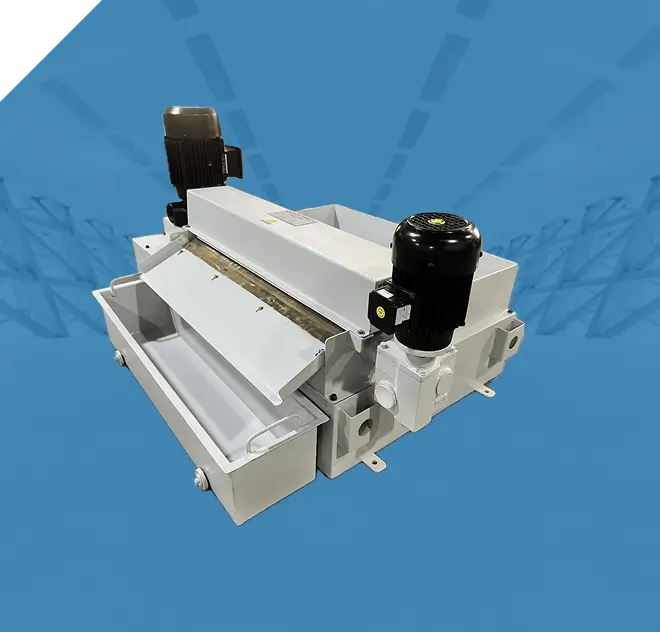
A magnetic coolant separator is an inline filtration unit that uses high-strength magnets to capture steel and cast‑iron particles from coolant. Clean coolant returns to the sump; the collected swarf is discharged into a sludge tray or bin for easy recycling.

How It Works

  • Coolant flows over a powerful magnetic drum or magnetic bars.
  • Ferrous particles are attracted and held to the magnetic surface.
  • A wiper or scraper continuously removes the sludge cake.
  • Clarified coolant flows back to the tank or onward to fine media filters.

Key Benefits

  • Longer coolant life: Reduces contamination that breaks down emulsions and additives.
  • Better surface finish: Prevents abrasive fines from re‑circulating through the cutting zone.
  • Increased tool life: Minimises edge wear and chipping, especially on steels and cast iron.
  • Less pump/nozzle wear: Avoids clogging and erosion, keeping flow stable.
  • Higher machine uptime: Fewer sump cleanouts and filter changes.
  • Lower operating cost: Cuts media consumption and waste disposal; ferrous fines are recyclable.
  • Safer, cleaner shop: Lower solids in mist and reduced sludge buildup.

Applications

  • Grinding: Surface, cylindrical, centerless, creep‑feed.
  • Honing and lapping: Protect stones and maintain tight Ra.
  • Turning, milling, drilling, broaching: Pre‑filter on individual CNCs.
  • Gear cutting and shaping: Capture hard steel fines.
  • Cast iron machining: High-load ferrous fines and graphite.
  • Central coolant systems: First stage before paper‑bed, bag, or cartridge filters.
  • Quench and wash tanks: Remove scale and magnetic debris from oils and aqueous cleaners.

Types of Magnetic Coolant Separators

  • Magnetic drum separators (continuous): Motorised drum with scraper for high flows and heavy loads.
  • Magnetic bar/rod grids: Compact, no‑power units for individual machine sumps.
  • Slotted drum designs: Higher open area for throughput and drier sludge.

How to Select the Right Unit

  • Flow rate: Match peak return flow with 20–30% headroom.
  • Particle load and size: Grinding fines vs mixed chips determine drum size and speed.
  • Coolant type: Emulsions, synthetics, or straight oils affect dwell time and slot/open area.
  • Ferrous vs non‑ferrous mix: Pair with cyclonic or media filtration for aluminium/brass.
  • Footprint and layout: Sump space, inlet/outlet heights, service access.
  • Maintenance: Wiper design, wear parts, ease of sludge handling.
  • Integration: Upstream of fine filters; compatible with skimmers, chillers, and level controls.

Installation Best Practices

  • Position the magnet stage before fine media filters to offload particulate load.
  • Use a distribution weir for even feed across the drum or grid.
  • Tune drum speed to maximise dwell without overflow.
  • Set wiper pressure to peel sludge without excessive wear.
  • Provide a drain‑back sludge bin to recover coolant.

Performance Tips

  • For very fine haze (<10 µm), add a polishing filter (5–20 µm) downstream.
  • In mixed‑metal shops, use a side‑stream hydrocyclone or media filter for non‑ferrous fines.
  • Monitor differential level across the separator; rising delta signals overload or wiper wear.
  • Plan periodic inspection and quick-clean procedures during scheduled maintenance.

Why Choose Us?

  • Application engineering support: We size systems for your flow, coolant, and process.
  • Rugged build: High‑energy rare‑earth magnets, corrosion‑resistant housings, and industry‑tested scrapers.
  • Fast ROI: Typical payback via reduced tool wear, fewer filter changes, and longer coolant life.
  • Pan‑India delivery and service: Commissioning, spares, and AMC options.

FAQs

  • Will it work with aluminium? Magnets capture ferrous particles.
    Ans : Add a cyclonic or media filter for non‑ferrous metals.
  • How fine can it filter?
    Ans : Drum units effectively capture sub‑10 µm ferrous fines with proper dwell and loading.
  • Can I retrofit on a single CNC?
    Ans : Yes—compact magnetic bars or mini‑drums fit most machine sumps.

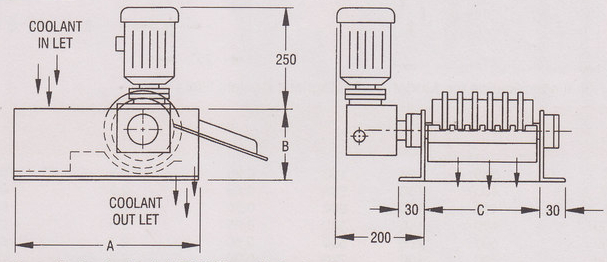
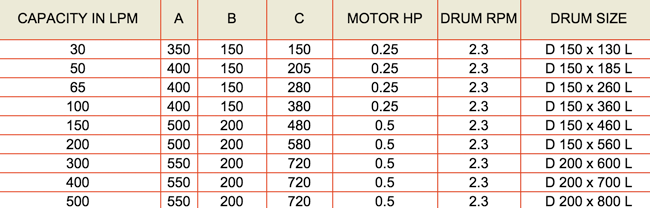
DIMENSIONAL DETAILS FOR MAGNETIC COOLANT FILTER/ MAGNETIC SEPARATOR ( MODEL T.A.P )
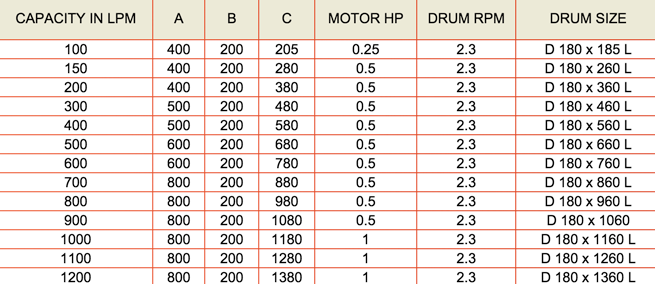
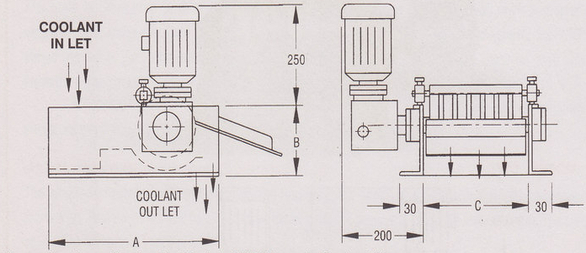
                      DIMENSIONAL DETAILS OF SLOTTED TYPE MAGNETIC COOLANT FILTER
Contact

Interested in learning more or need a custom solution?

Mag Tools

B-465, Industrial Estate 2nd Gate, Gokul Road, Hubli, 580030 (Karnataka )

Phone Number

Phone: +91-836-2335990
Fax : +91-836-2332297
Cell : +91-93434-03619
Cell 2 :+91-9880-666722

Email Address

Mr. A.T. Pawar: atpawar@magtoolsindia.com
Mr.Tushar Pawar: tushar@magtoolsindia.com

Get in Touch